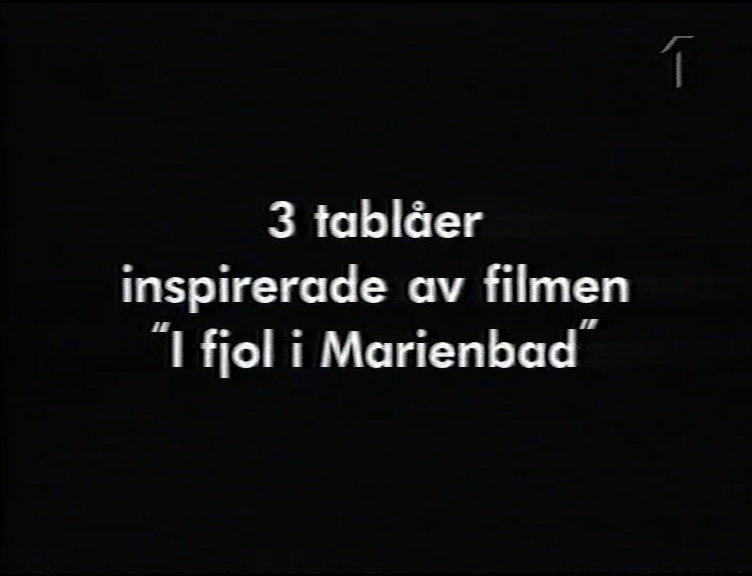
3 Tableaux Inspired by the Film Last Year at Marienbad (Video)
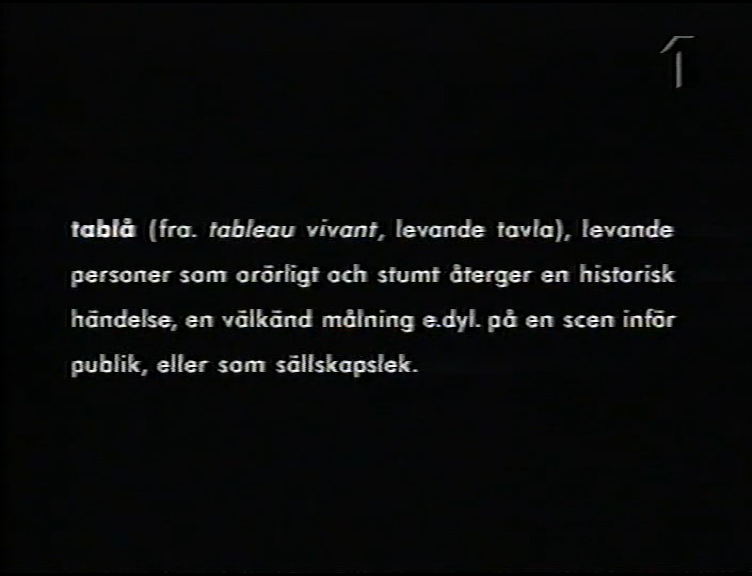
tableau (Fre. tableau vivant,living picture) living persons, silent and motionless, depicting a historic event, a well-known painting or suchlike on a stage in front of an audience, or as a party game.
Just as, with the passing of time, manor houses and castles have ceased to operate as machines for the exercise of power and have instead been reduced to picturesque excursion scenes, so the inner city architectural manifestations of the post-war era are becoming less and less important for the way in which we actually live our lives (as the city as a whole is becoming less and less important; no service or sensation is exclusive to the traditional city any more). We can begin to allow ourselves a complete indifference to them (to the architectural manifestations of the post-war era), but we can also choose to make them a subject of private purposes and personal pleasures, of autocratic estheticizing—like when at play:
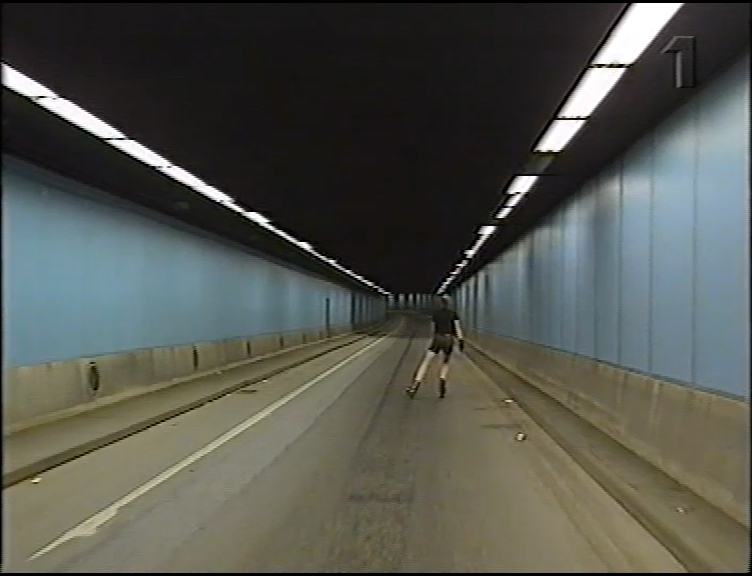
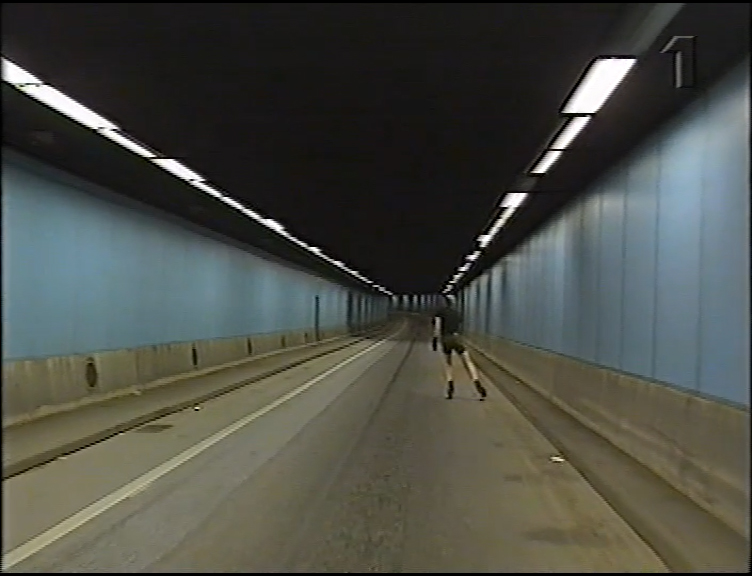
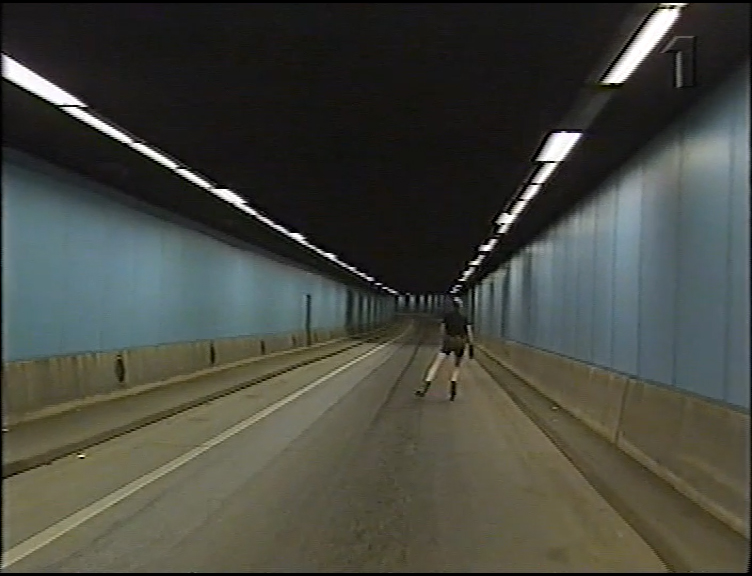
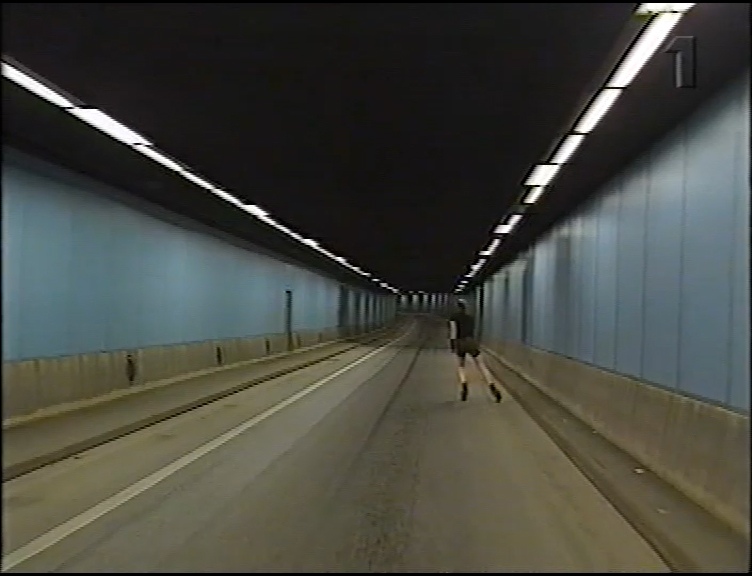
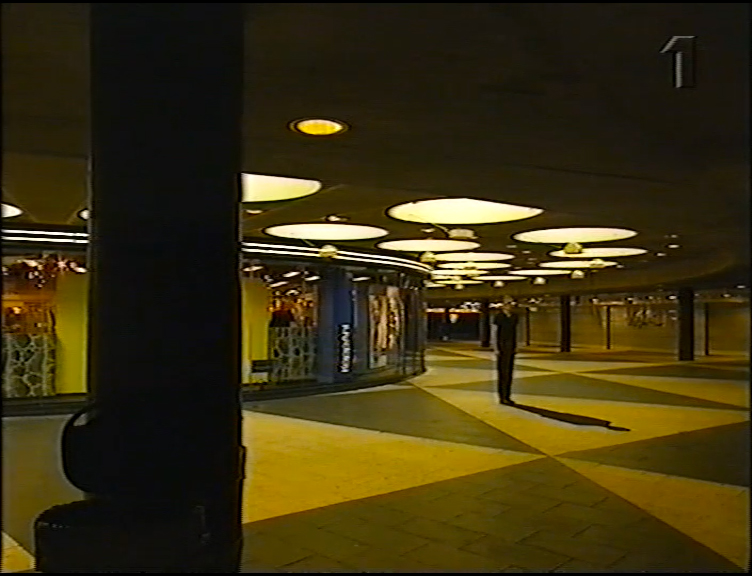
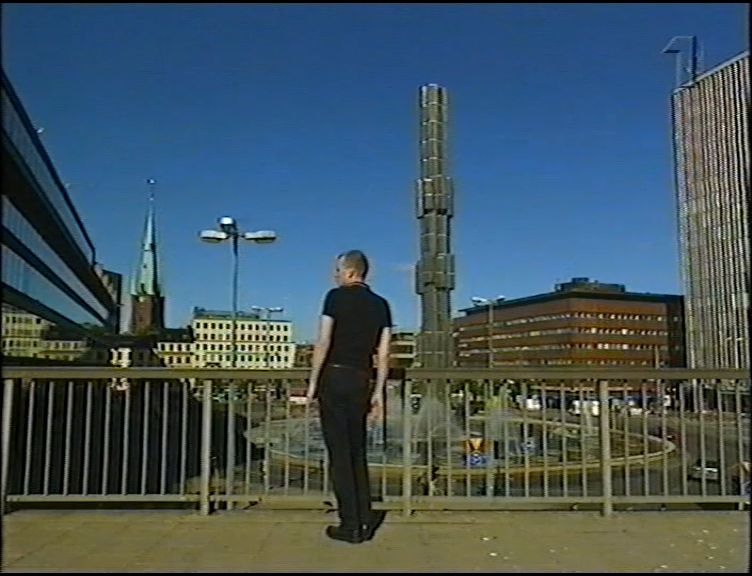
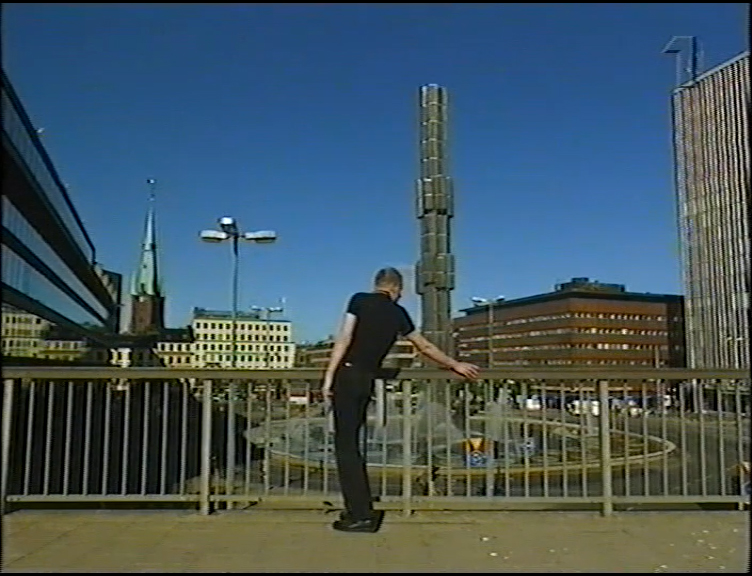
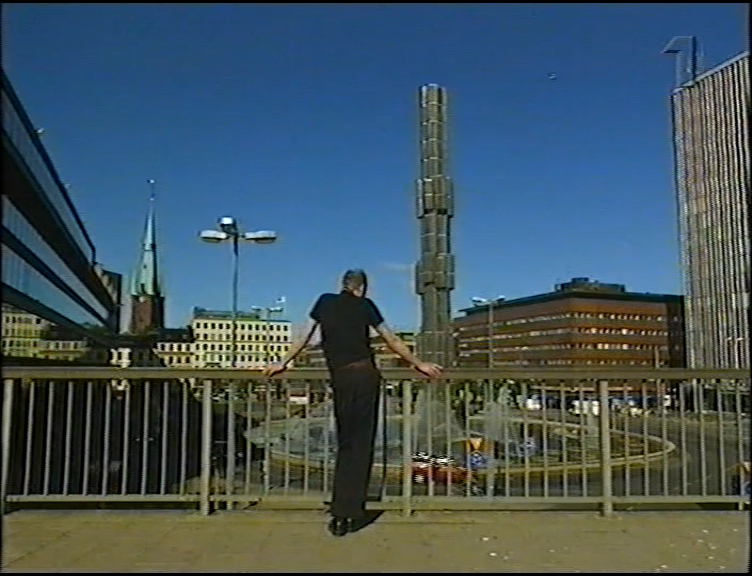
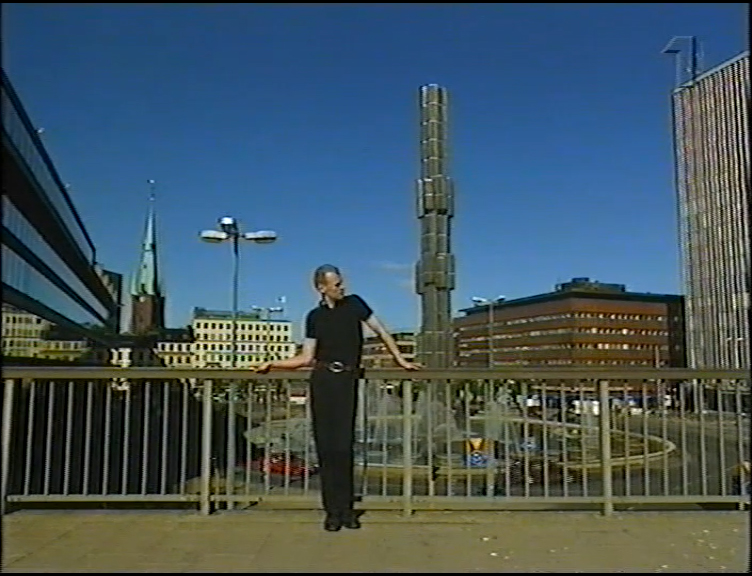
The short film 3 Tableaux Inspired by the Film Last Year at Marienbad (original Swedish title: 3 tablåer inspirerade av filmen I fjol i Marienbad) was produced and directed in the summer of 1996 by the present writer for the arts magazine Stockholm
on SVT1 (Swedish National Television Channel 1), at the invitation of the project leader, Staffan Bengtsson. I was asked to create something for television on the subject of Sergels torg, the absolute centre of post-war down town Stockholm, a space which is considered ugly
and unpleasant,
a space which the city government would like to see pulled down, or at least remodeled.

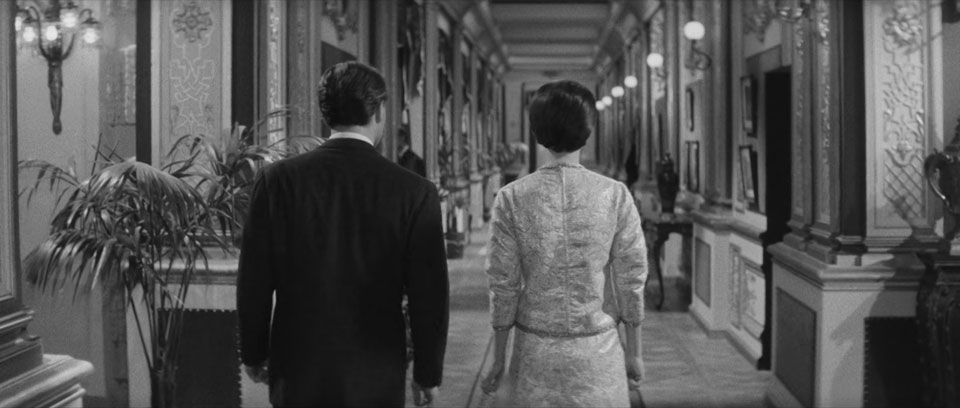
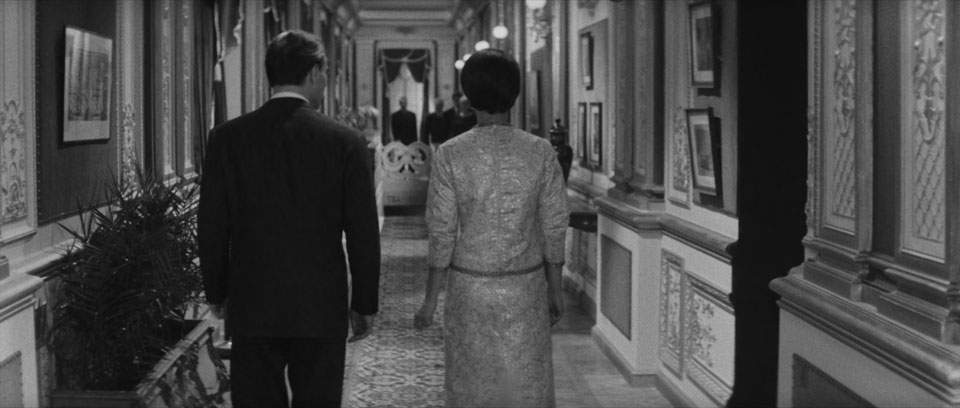
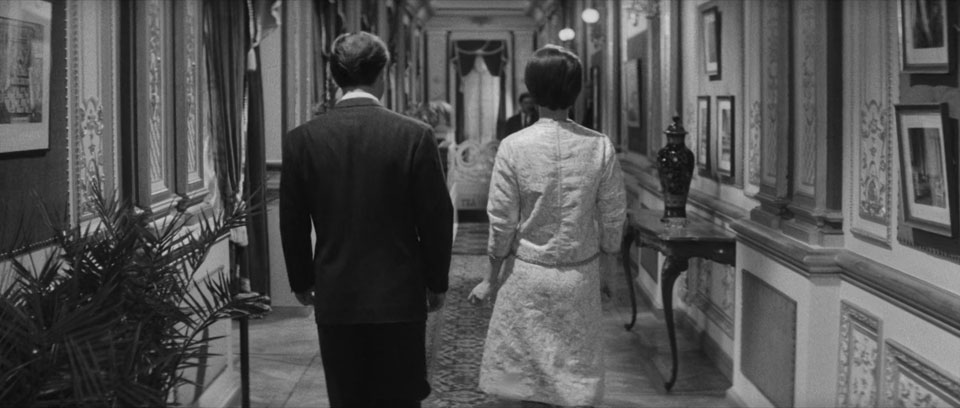
The film Last Year at Marienbad (original French title: L’Année dernière à Marienbad) was scripted by Alain Robbe-Grillet and directed by Alain Resnais (France/Italy 1961). The scriptwriter has to be mentioned in the same breath as the director, because the tiniest detail, every cut and every dolly shot is specified in Robbe-Grillet’s ciné-roman of the same year.
In the original, neither the camera nor the characters ever leave the palace/luxury hotel or the palace grounds in which the film is set. A world outside this delimited paradise/inferno simply does not exist. Sergels torg (the whole of the modern project, come to that) is just as delimited and essentially separated from what we recognize as life
or urbanity
as the palaces and castles of past centuries ever were. Thus, staging a remake of the film in Sergels torg, right in the heart of the post-war centre of Stockholm, and not, as might be expected, in a palace setting, makes perfect sense:
The post-war centre of Stockholm constitutes a Gesamtkunstwerk as thoroughly composed and aristocratically self-sufficient as a Versailles or a Blenheim Palace. It has repeatedly been called a chaotic
space, a space without form.
Not that there is necessarily anything wrong with a space having no form,
it’s just that nothing could be further from the truth. Sergels torg—and this escapes present day architects and critics—is an exercise in anti-classicist, anti-monumentalizing, anti-pythagorean, democratic
form (in those days some forms were thought to be more democratic
than others—but that’s another essay).

Sergels torg (a sunken plaza and an underground shopping arcade for pedestrians with a large traffic roundabout/fountain and crystal obelisk on top) was consciously and intentionally designed to avoid traditional classicist attributes or qualities:
There is no axis of symmetry, there is no single point or vista from which the entire composition can be all at once perceived and experienced. The vast open space is irregularly shaped instead of, say, rectangular. Typical features of classicist facades, such as triangles and curves (pediments and arches), are never seen in elevation—but everywhere (!) in plan, and always with an anti-classicist twist: there are no triangular pediments on the facades, but there are triangles all over the floor of the pedestrian sunken plaza and shopping arcade. These triangles are however not symmetrical and resting,
as in classicist art, but pointed and dynamic.
There are no curved masonry arches on the facades, but the street plan consists in its entirety of curves, such as the curved balcony
of the street viaduct which draws a sweeping curve through the air above the sunken arcade and plaza. None of the curves in the street plan are, however, segments of a circle. The traffic roundabout/fountain is not even oval or elliptical, but super elliptical. There is no super ellipse in classicist art.
(Note. The roundabout was designed by the super ellipse’s Danish inventor Piet Hein. This means there is an example of recent Danish cultural imperialism in the very heart of the Swedish capital. Denmark, incidentally, is a former arch-enemy through centuries of wars.)
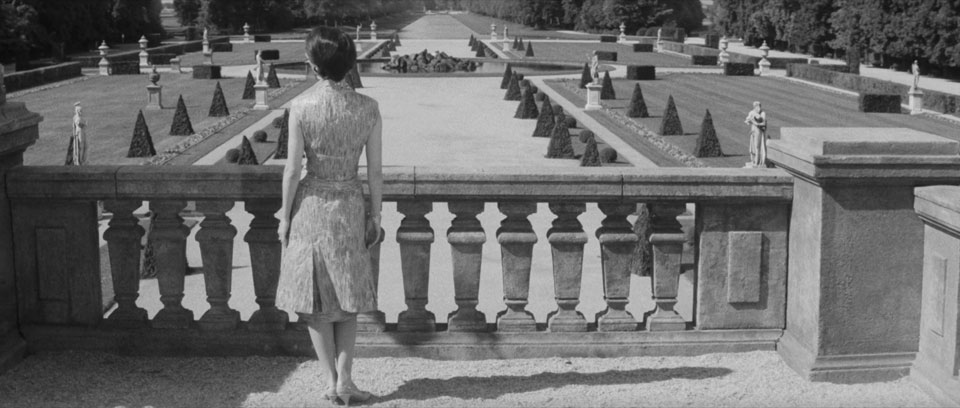

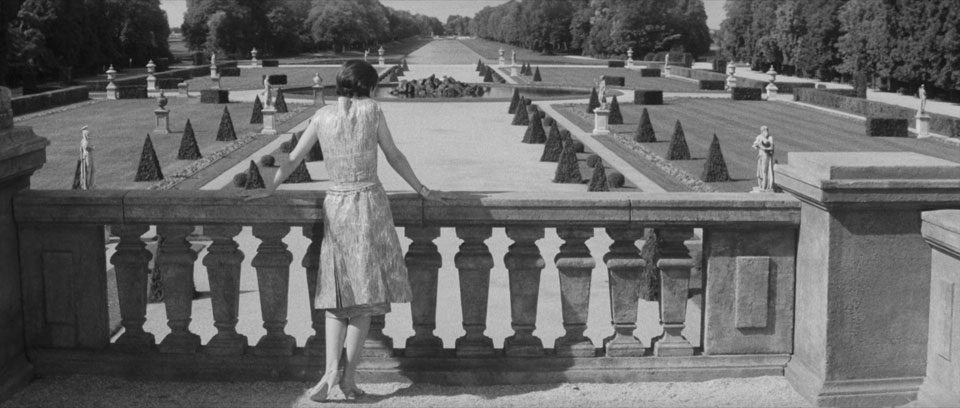
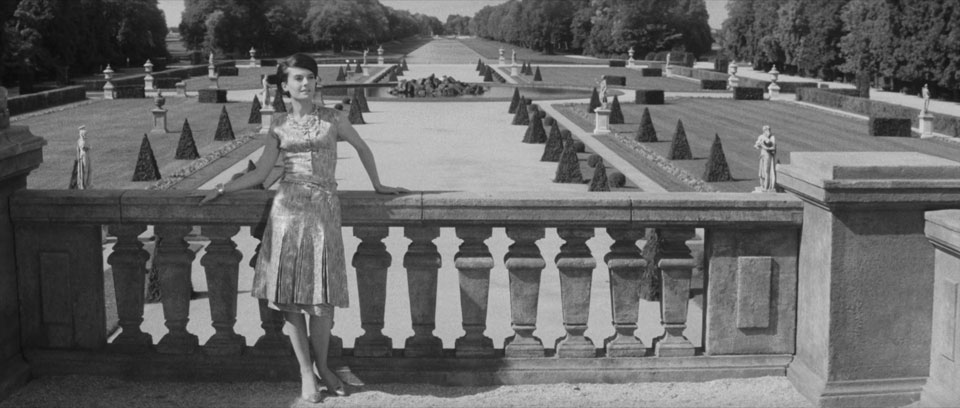
Sergels torg is not a space without form. On the contrary, it is a space of formal discipline and rigidness, like palace gardens of the past. Sergels torg is a (100% mineral) parc à l’anglaise, complete with secretive grotto and the echoing emptiness of an echo-temple of culture (this refers to the cultural void of Kulturhuset, the city of Stockholm cultural centre in Sergels torg).
To many people it is a dead
urban space. Be this as it may. The dead city centre—like the dead societies once manifested by palaces and manor houses—will with time prove not to be devoid of the picturesque charms which we are always so eager to project onto the physical manifestations of long-dead, rendered harmless and neutralized idealism (onto the architecture of oppression, such as manor houses and palaces). In other words, it is the perfect setting for a remake of L’Année dernière à Marienbad.
3 Tableaux Inspired by the Film Last Year at Marienbad, a three minute video, was televised for the first time on Saturday, July 13, 1996 as the closing segment of the weekly television arts and culture show Stockholm.
It was recorded in color on and around the grandiose Sergels torg, on a couple of early mornings in June and July. The actor
in all three tableaux is the present writer. Special thanks to Katarina Dahlgren.
The color pictures in 3 Tableaux are accompanied by music from Richard Wagner’s Tristan und Isolde. The direct reference of the famous Liebestod (Isolde’s Love-Death/Transfiguration) to Buñuel’s Un Chien andalou and L’Âge d’or was not planned. To the present writer, the music has primarily other connotations: Isolde dies a sweet love-death in ecstasy. She is convinced of being reunited with her lover in an existence beyond the triviality of the here and now, and she meets death with assurance. The sweet love-death/transfiguration of a contemporary metropolis: disliked modernist additions to traditional city centers have ceased to operate as machines for the exercise of power and are becoming less and less important for the way in which we actually live our lives (just like the rest of the traditional city). We can allow ourselves a complete indifference to them (to the modernist additions), as we can allow ourselves to play with them. The city centre death is transformed from tragedy
to—adventure.
Appendix 1997
The predictions of the text above in 1996 are being confirmed every day. For instance, just recently (November 1997) the latest single of American recording artist Moby called James Bond Theme (Moby’s Re-Version) has been released in connection with the opening of the latest James Bond movie, Tomorrow Never Dies. The video that goes with the music was filmed in Stockholm, in and around Sergels torg with its super elliptic fountain—an urban space which in the playful video, directed by Jonas Åkerlund, does not come across as tragic. On the contrary. It is used as backdrop to a visual adventure.
Tack, Sune!
James Bond i Stockholm
Hötorgsarkitektur
Tallar på Sergels torg