En stadens encyklopedi
Texter för En stadens encyklopedi, ett temanummer av tidskriften MAMA (Magasin för Modern Arkitektur), Stockholm, nr 10-1995.
Temanumrets Ledare
författades och undertecknades av Encyklopedins tre gästredaktörer gemensamt: Mikael Askergren, Johan Johansson, Lars Marcus.
Därefter följer sju stycken korta texter (uppslagsord
) av Mikael Askergren för En stadens encyklopedi.
Ledare
Det här numret av MAMA handlar om staden, inte om arkitektur.
Inte minst inom arkitektkåren finns en utbredd syn på staden som ett arkitektoniskt problem, ett specialfall av den överordnade disciplinen Arkitektur. Att rita en stol, att rita ett hus och att rita en stad ses som variationer på samma problematik, det är bara storleken som skiljer möbelformgivning från husbyggnad och husbyggnad från stadsplanering. Stadens arkitektoniska och formala egenskaper ställs därigenom i fokus och upphöjs till utgångspunkt för stadsbyggandet, så att stadsplanen, befriad från de yttre krav som tidigare avgjort dess utformning, jämställs med huset: stadsbyggandet reduceras till arkitektur.
För arkitekten är det naturligtvis frestande att betrakta alla de problem som han eller hon ställs inför ur arkitekturens perspektiv, och allting kan då förstås som arkitektur: romaner, dans, bakverk. För arkitekten blir detta ett sätt att vidga ramarna och fördjupa förståelsen av det egna yrket. För författaren, koreografen eller bagaren är samma resonemang en irriterande och otillbörlig reduktion av romanen, dansen eller bakverket. Att betrakta staden som arkitektur måste förstås som en reduktion av staden.
I sin egenskap av rådande praxis är dock detta synsätt så vanligt att vi har kommit att ta det för givet, men det är bara en av de teorier eller ideologier om staden som man kan välja som utgångspunkt – eller välja bort. Man kan välja vad som ska planeras, man kan välja om det är arkitekten som ska utföra jobbet, och arkitekten kan – om så är fallet – välja på vilket sätt han närmar sig uppgiften. Stadsbyggande har i sig ingenting med arkitektur att göra. Staden är i grund och botten en abstrakt företeelse, uppbyggd av juridiska gränsdragningar, ekonomiska överenskommelser, sociala relationer och politiska maktförhållanden, inte ett arkitektoniskt problem. Ur stadens perspektiv är arkitektur tillfällig, godtycklig och utbytbar, och staden är inte arkitektur.
Agorafobi
agorafobi (av grek. agora, torg, och fobos, fruktan) – a. torgskräck. b. här: en tendens hos etablissemanget att fly och sky det offentliga rummet.
Ju bättre ställt man har det, desto mindre intresse visar man för att tillsammans med andra finna gemensamma lösningar på vardagens problem. Man skaffar egen tvättmaskin för att slippa anpassa sig efter andra i den gemensamma tvättstugan. Man sätter barnen i en privat skola. Vill man spela tennis bygger man egen bana, o.s.v. Ens egenintresse i ett inklusivt och för alla tillgängligt offentligt stadsrum förhåller sig omvänt proportionellt till ens finansiella och politiska makt att utforma och bygga detta rum.
Denna agorafoba tendens är inte klasspecifik: En fackpamp har chaufför, som bekant, och kan välja mellan att röra sig bland folk på gator och torg och att inte göra det. Han är lika oberoende av, och i slutändan lika misstänksam mot det svårhanterade urbana tillståndet som industrialisten.
Célesteville
Filantropisk (eller snarare filelefantisk) utopi i djungeln anlagd av elefantkungen Babar för sitt folk och uppkallad efter drottningen Céleste.1 I Célesteville har varje för de styrande tänkbart elefantiskt behov försetts med genomplanerade och ändamålsenliga anläggningar.
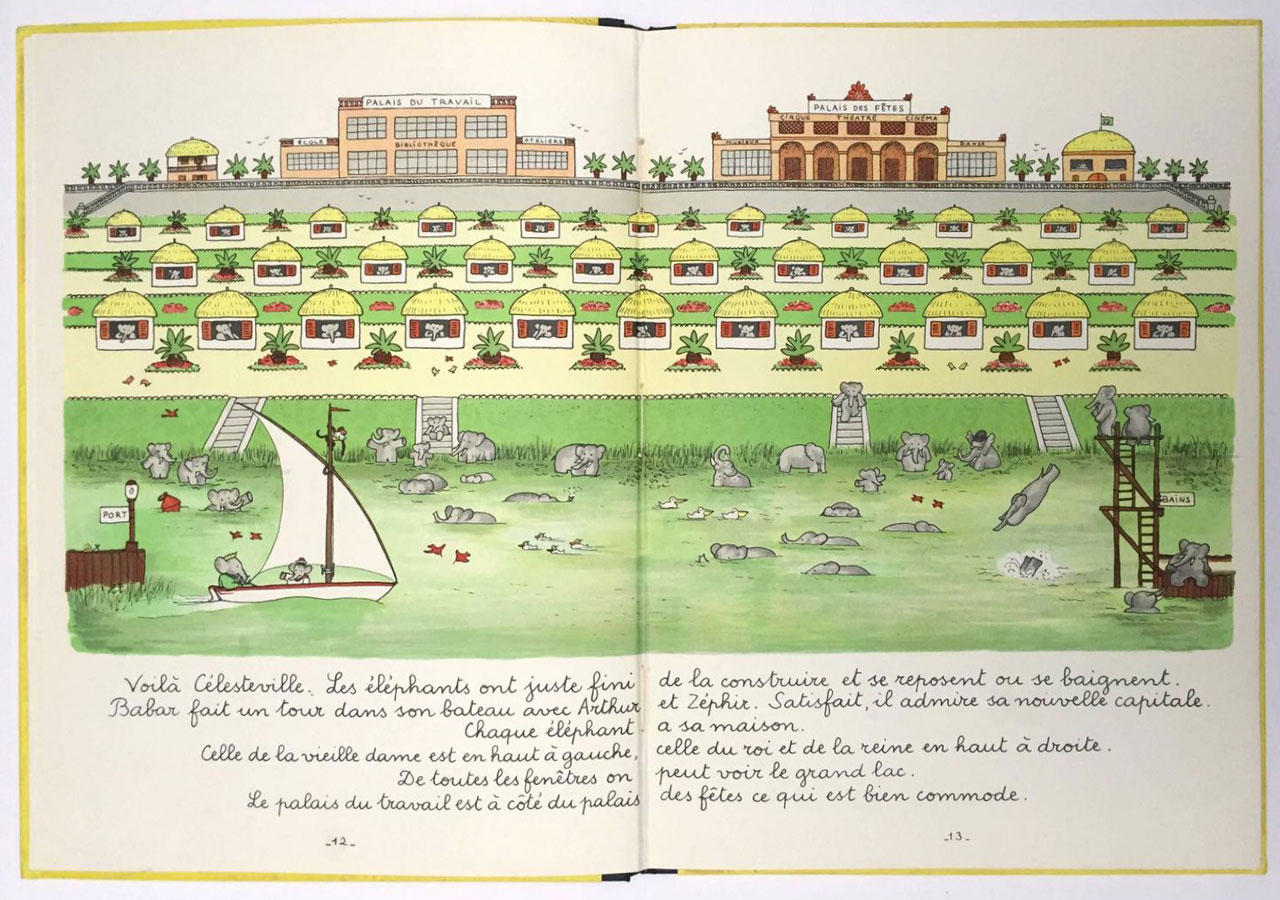
Det finns ett Arbetets Hus och ett Nöjenas Palats. Det finns parker, badsjöar och rekreationsanläggningar. Men är Célesteville en stad? Var håller mc-elefanterna hus? Finns det bög- och lesbianelefanter i Célesteville? Hur behandlas de illegalt invandrade indiska elefanterna med löjligt små öron?
Metaforik
Makt är sexigt, oaktat den politik makten företräder, och det delade Berlin dallrade av kåthet. Två till varandra hatiskt inställda politiska system kunde i Berlin inte ta ögonen från varann och skalv vid varandras beröring. Med Västberlin, västerlandets ollon, djupt inborrat i östblockets anus, kunde Moskva inte mycket annat än att insistera på safe sex och på kondom, som skydd mot politisk smitta och massutvandring. Man byggde muren. Säkert sex – trodde man, men nu är det ju så att the only safe sex is no sex.
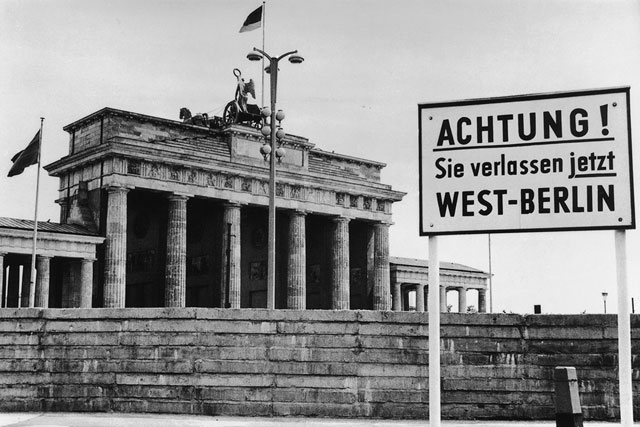
Murar, slutenhet, opacitet och massa är i modernistisk tradition metaforer för det onda. Berlinmuren var i decennier exemplet par excellence för permanent förtryck och kallt skyttegravskrig. Om järnridån istället för att klyva en världsstad och kosmopolitisk språkgemenskap kluvit obefolkade mellaneuropeiska skogar och med stora fysiska avstånd åtskiljt germaner och slaver, och kontakten mellan de två ekonomiska kulturernas befolkningar, och makthavarna i Washington och Moskva med för den delen, varit reducerad till pryd andrahandsinformation via Hollywood och Pravda, hade historien med största sannolikhet haft ett annat förlopp. Murars främsta egenskap är inte permanens och potens. Murars främsta egenskap är instabilitet och impotens. Förr eller senare raseras eller kollapsar en mur.
Tomrummet, transparensen och den frånvarande substansen (tabula rasa) är i modernistisk tradition metaforer för öppenhet, godhet och demokrati; för ett från sociala hierarkier och klasskillnader befriat rum och samhälle; för oändliga möjligheter, begränsade enbart av det heroiska subjektets potens och kreativitet. Tomrummet kan fyllas med vad som helst utan hänsyn till begränsningar i rummet eller historien. Denna metaforik har även vunnit fotfäste hos överheten, eftersom de stora fysiska avstånd som blir den oundvikliga konsekvensen av hålrummen i strukturen snarare visat sig ha motsatt effekt: tomrummet och det stora fysiska avståndet är permanent i sin disciplinerande verkan. Då Bastiljen och Berlinmuren kan raseras en gång för alla, måste avstånden i Place de la Concorde, Broadacre City och La Ville Radieuse ständigt återerövras. Det sitter en prislapp på varje överskridandetillfälle och kommunikation. Mobilitet är resurskrävande. Man betalar med pengar, tid, arbete, planering och (själv-) disciplin.
Efter den friande domen i den första Rodney King-rättegången sticks den amerikanska västkustens största metropol i brand. Koreaner som anlänt till Kalifornien långt efter afroamerikanerna har redan hunnit avancera till högre pinnhål på samhällsstegen och får under upploppen smaka samma vrede som de vita. Smältdegeln
existerar inte, en transparent, egalitär och ursprungligen revolutionär konstitution till trots. Osynligheter skiljer som alltid raser och klasser åt. De som kan, väljer att skydda sig från den i flera avseenden ohälsosamma staden, dock inte i första hand med murar och stängsel – som ju kan rivas ned – utan genom att lämna Los Angelesområdet och istället bosätta sig i Phoenix eller Santa Fe, genom att etablera ett stort fysiskt avstånd till de oönskade; fysiska avstånd försvinner inte. Mobilitet är resurskrävande.
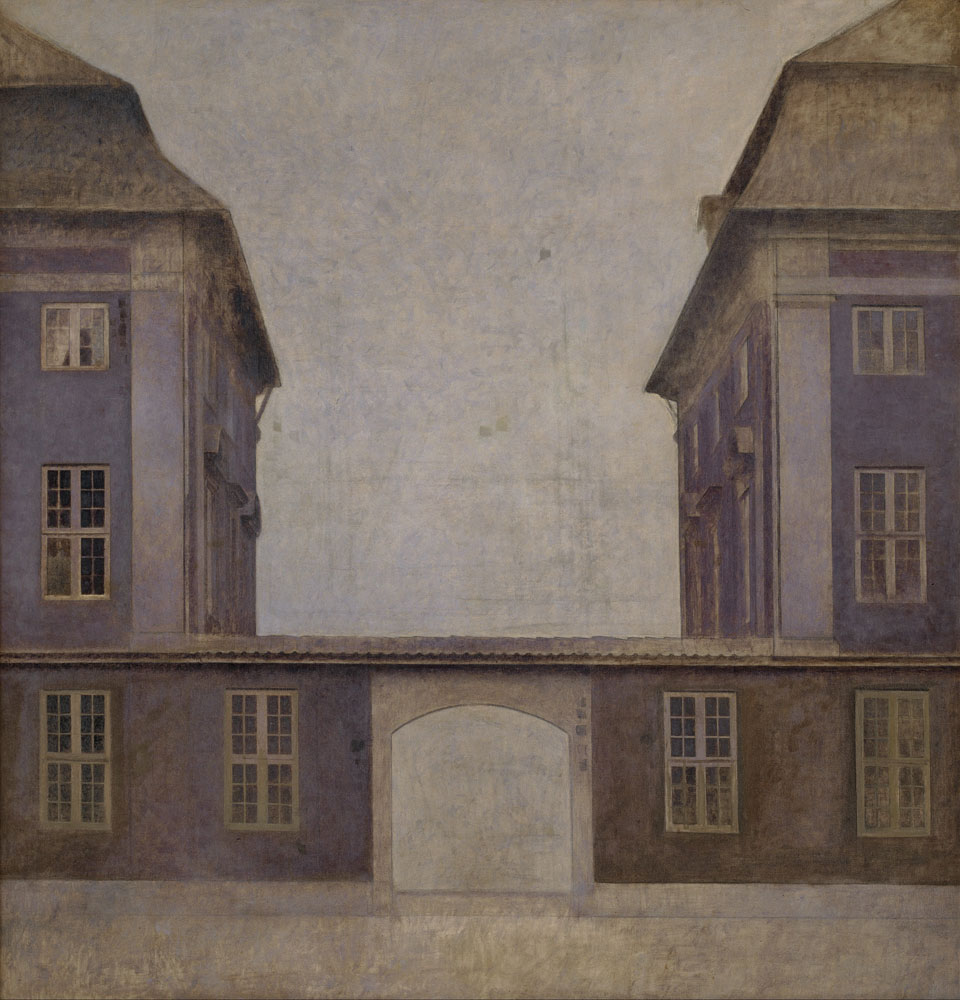
Vid ett besök på Statens Museum för Konst i Köpenhamn är det i synnerhet en bild som jag lägger märke till. Den föreställer två klassicistiska byggnader som man, trots att de är beskurna av gatans perspektiv och bildens format, förstår är varandras pendanger. De är förbundna med varann av en portförsedd mur mot gatan. Kompositionen är symmetrisk med porten i centrum. Kompositionens symmetri, tillsammans med porten som motiv, drar uppmärksamheten från byggnaderna till rummet bortom muren och porten; till centralperspektivets gränspunkt, och skapar en förväntan av ett rumsligt och innehållsmässigt klimax. Istället finner man – ingenting; ett klimax av tomhet, transparens och substanslöshet.
Målningen jag beskrivit är av Vilhelm Hammershøi. Minnesbilden av tavlan kommer för mig långt efter museibesöket. Jag fantiserar om att korsa gatan, åtrår att träda in genom porten och träda in i detta ingenting-alls. Jag inser snart att min egen reaktion ingenting har att göra med tavlans eventuella konstnärliga kvaliteter. Min fascination, och den suggestion som bilden uppväckte i mig har andra bottnar. Jag har fått kontakt med utopisten inom mig.
Monstruositet
Minotauren, irrande i sitt fängelse, i den så sinnrikt konstruerade labyrinten ur vilken ingen på egen hand kan finna vägen ut, tänker: Jag är den friaste av varelser.
Sorglöst strövar besten genom labyrintens irrgångar. Rörelse, rörlighet och kommunikation är starka metaforer för frihet. Man kan fråga sig om Minotauren är medveten om att labyrinten är ett slutet system och att det finns en värld utanför dess murar, men det är knappast en fråga som sysselsätter honom. Förr eller senare stöter han alltid på något – eller någon – att äta.
Minotauren är ett monstrum: resultatet av drottningens kättja och köttsliga förening med en tjur – det påstår åtminstone konungen som inte vill kännas vid ett monstrum till son. Vari består Minotaurens monstruositet? Inte i klövar, päls eller horn. Hans uppenbara brist på intresse för att hävda någon slags mänsklighet, hans blindhet för – och ovillighet att underkasta sig och undergivet erkänna – den underlägsenhet man vill tillskriva honom gör honom till best.
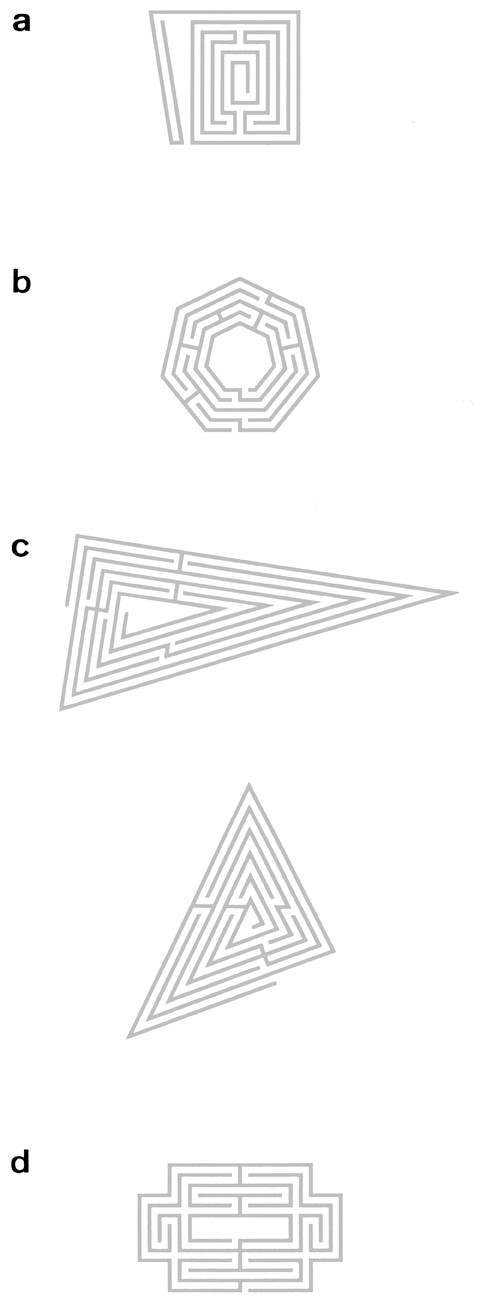
Så finurligt är labyrinten konstruerad att sannolikheten för hur besten kommer att välja väg i förväg till i det närmaste hundra procent har kunnat kalkyleras. Detta eftersom labyrinten har ett otal korsvägar men saknar blindgångar. Alla irrgångar är kommunicerande kärl, och varje val av väg leder sålunda oundvikligen till en ny valsituation med uteslutande färdiga valalternativ vars konsekvenser alla är förutsägbara.
Sannolikheten att besten under sin livstid skall komma att välja rätt väg tillräckligt många gånger i rad för att finna vägen ut ur labyrinten är försumbar. Man kan därför lämna utgången obevakad och på goda grunder hävda att Minotauren väljer att vistas i labyrinten av egen fri vilja.
Detta, att besten väljer att stanna i sitt fängelse, är avgörande: besten är åtminstone halvt människa, och blodsbanden till kronan gör det i en rättsstat etiskt, känslomässigt och politiskt omöjligt att döda honom eller hålla honom fången mot sin vilja.
Det är i myten en namngiven person: geniet, konstnären, ingenjören och arkitekten Daidalos – romarna kallade honom Daedalus – som konstruerar labyrinten på drottningens uppdrag, och därigenom löser det delikata problemet hur besten skall kunna hållas fången på ett sätt som både den empatiska modern och den hatiske fadern, och samtidigt rättskänslan i samhället skall kunna acceptera. Daidalos labyrint är ingenting mindre än den instrumentella filantropins triumf:
Så finurligt är labyrinten konstruerad att minotauren inte hålls fängslad av murar – metaforen för ofrihet och förtryck – utan av stora fysiska avstånd i ett oändligt tomrum – metaforen för ljus, frihet och förändring: att leva och söka sin föda i labyrinten är resurs- och tidskrävande. Besten tillryggalägger varje dag avsevärda avstånd. Då han får sin belöning i form av något – eller någon – att äta har han redan dyrt betalat med sin tid och sin kraft. Nästa belöning kommer att stå honom lika fjärran och kräva lika mycket av honom, en lika lång resa. Minotauren är en nomadiserad pendlare i ständig rörelse i en i labyrinten imploderad oändlighet och periferitet.
I romantiserande skildringar av storstadens myller och mångfald, av dess befriande anonymitet och oöverblickbarhet, av dess rikedom på öden och hemligheter, använder man gärna just labyrinten och det labyrintiska som sammanfattande metafor för alla dessa urbanitetens positiva och kulturskapande egenskaper. Daidalos labyrint är dock ett vidunder lika mycket som den best som är dess fånge.
Plutokrati
Fram till 1921 har endast skattebetalare rösträtt i Stockholms stad. Endast mycket höga inkomster och stora förmögenheter beskattas, vilket redan från början reducerar valmanskåren till någon procent av stadens befolkning. Alla skattebetalare har dock rösträtt, alltså även kvinnor och företag, och de flesta har fler än en röst. Antalet röster är proportionellt mot inkomst och förmögenhetsinnehav. År 1863 röstar endast 1.900 personer och företag, men avger sammanlagt 145.000 röster.2 Staden är en plutokrati, d.v.s. liknar vår tids aktiebolag där ens inflytande helt beror av hur mycket man själv bidrar med till finanserna. Det ligger i både den enskilde aktieägarens
och i stadens intresse att förmögenheter och inkomster redovisas i en transparent offentlighet. Ju förmögnare man kan visa att man är, desto större makt och inflytande har man i staden som offentlig och publik offentlig arena.
Den svenska adelskalendern är ett kvarlevande uttryck för överhetens forna transparens. Adelskalendern redovisar helt offentligt, utan undantag och utan hänsyn till önskemål om diskretion Riddarhusets alla medlemmar och deras inbördes släktrelationer, datum för giftermål, barnafödslar, avlagda examina, m.m.3
Plutokratins offentlighet är dock endast de besuttnas angelägenhet. De egendomslösa står utanför både makten och offentligheten; man har inte tillträde till bolagsstämman
. Vis av skadan efter revolutioner i både Amerika och Europa ger man i västvärlden efter hand efter för proletariatets anspråk på tillträde till offentligheten och till de politiska arenorna. Allmän rösträtt införs. Men som pöbeln immigrerar in i offentligheten, koloniserar den skulle man kunna säga, väljer etablissemanget att emigrera därifrån. Det ligger inte längre i ens intresse att offentligen redovisa ens tillgångar eftersom ett egalitärt systems offentliga politiska fora inte ger makt och inflytande i proportion till dessa tillgångar. Genom skilsmässan mellan offentlighet och makt blir bröllopet mellan offentlighet och underklass möjligt.
Stadsbild
Environments are invisible. Their ground rules, pervasive structure, and overall patterns elude easy perception.
– Marshall McLuhan
Jag är fem eller sex år gammal. Familjen är helt nyinflyttad i ett gult trähus med häckomgärdad trädgård. Mina bröder och jag får inte gå utanför grinden om vi leker på egen hand utomhus. Men frestelsen blir någon gång för stark. Jag förleder min yngre bror att följa med och gräva tunnlar i de fantastiska snövallarna längs vägen, vallar som har mått av bergskedjor de kalla vintrarna i mitten av sextiotalet. Att jag minns denna händelse beror inte på att vi blir påkomna, för det blir vi inte, utan på att jag efter en stund drabbas av ruelse, avbryter leken och förklarar för min bror att vi måste tillbaka in i trädgården. Annars kommer kanske våra föräldrar att samma kväll efter jobbet få se ett utförligt reportage om vår olydiga lek som ett inslag på tv-nyheterna. Jag går ikring och är orolig för detta resten av dagen, och drar en lättnadens suck när det visar sig att tv inte bryr sig om att rapportera om vår otillåtna lekstund:
Jag har inte kapacitet att förstå världen, men skapar mig ändå bilder av hur saker och ting och skenbart disparata skeenden kan tänkas hänga samman. (Varför skulle inte vår olydnad vara ett av de ämnen som avhandlas på tv-nyheterna, vars uppgift ju är att informera mamma och pappa om allt viktigt och intressant som inträffat?) Jag bygger en hemmagjord världsbild, en bild av världen som är påtagligare och verkligare än verkligheten.
Jag minns inte den allmänna förstörelsen, rivningarna och de tillfälliga bilbroarna över de jättelika kratrarna i marken där Brunkebergsåsen och Klara en gång legat. Jag minns inte att allt är fult
, stökigt
och trasigt
. Mitt minne av Stockholm på sjuttiotalet är en bild: en bild på en affisch, avbildande en yppig prehistorisk stenåldersblondin i råttskinnsbikini. Blondinen har en ungefär halvmeterlång svans, kal och hårlös, men med en liten tofs längst ut. Affischen gör reklam för en film som heter När kvinnan hade svans.
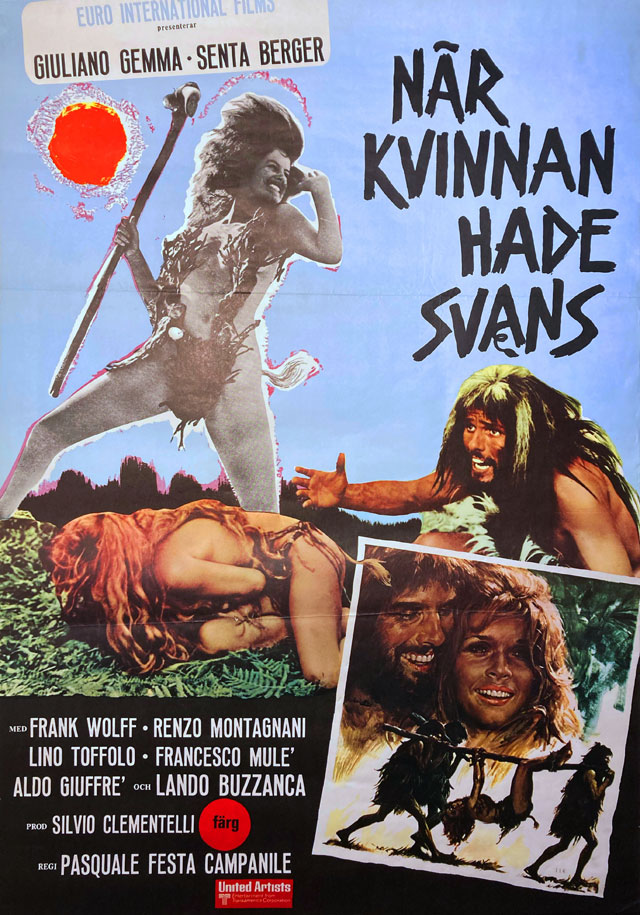
Tjugo år senare visar sig minnesbilden stämma. Jag får en ingivelse och går till Filmhuset i Stockholm och finner affischen arkiverad. Titeln stämmer också. Filmen är italiensk, från 1972, året då jag fyller tolv år, och heter i original Quando le donne avevano la coda. Den kvinnliga huvudrollsblondinen spelas av Senta Berger. Det lär vara en komedi:
Staden är osynlig. En bild, en pappersbit, en affisch är i mitt minne starkare än den verklighet, den stad i vilken affischen sitter uppsatt. Bilden är synlig emedan min barndoms Stockholm är osynligt.
Mina första försök att rita hus är några år yngre än minnet av stenåldersblondinen. Jag ritar i ett odefinierat landskap friliggande bostadshuslameller, höghus och sammansatta volymer
utplacerade i en indifferent cartesiansk rymd. Detta trots att jag själv fortfarande bor kvar i det gula trähuset med sin häckomgärdade trädgård och att jag inte känner en enda människa som bor i lägenhet, ens inne i stan. Om jag någon gång hamnar i en förort som påminner om det jag själv ritar erfar jag främlingsskap och tristess:
Endast bilden av arkitektens yrke och uppgift, endast bilden av staden, av stadsplaneringen som disciplin och stadsplaneringens syfte, som det presenteras i de få böcker och tidskrifter som står att finna i ämnet på kommundelsbiblioteket, endast de byggnader och planerade förorter jag ser avbildade står för min inre syn i det jag själv sätter pennan till pappret för att skapa egna bilder av möjlig verklighet.
Med vår nuvarande plan- och bygglagstiftning romantiseras, som så ofta i politiken, det oskuldsfulla barnets världsbild, och den lilla människans
åsikter. Enligt lagstiftningen är det endast den verkligt lilla människan, den hyresgäst eller fastighetsägare med intressen innanför planförslagets gränser, och som därför är direkt berörd
av ett planförslag, som har rätt att besvära sig, och som i förlängningen bär hela ansvaret för att revidera både tjänstemännens arbete och politikernas beslut. Som en direkt följd av detta kan all kritik som framförs vid s.k. samråd (och det med rätta! – ett studiebesök på ett s.k. samråd, oaktat vilket, bekräftar detta) avfärdas som instinktivt och kategoriskt motstånd mot förändringar, samt NIMBY(NotInMyBackYard)-effekten. Överheten lämnas på detta sätt ifred att inte ägna sig åt någon annan bild av staden och verkligheten än sin egen.
Är det Sergels torg eller är det en bild som stockholmare, såväl lekmän som arkitekter och planerare finner motbjudande och åtrår att förbättra
?
Nr 9-1994 av tidskriften MAMA pryds av en omslagsbild som rönt stor uppmärksamhet, ovanligt stor för en arkitekturtidskrift. Bilden har återgivits i såväl DN, SvD som Aftonbladet. Den är arrangerad och föreställer ett Sergels torg invaderat av Kalle Ankor. Artikeln som bilden illustrerar diskuterar bl.a. begreppet imagineering. Varför har just denna av tidskriftens artiklar genom åren rönt dylik uppmärksamhet och spridning? Tack vare omslagsbilden; tack vare en bild, naturligtvis.
Stockholm
Det svenska parlamentet och den svenska regeringen har båda med internationella mått mätt mycket hög kvinnorepresentation (41,3% respektive 50%). Om kvinnor bara har den representation i politiken som männen avstår ifrån, p.g.a låg ekonomisk ersättning, låg prestige och litet inflytande över eget och andras liv, implicerar den höga kvinnorepresentationen i svensk politik att verkligheten pågår någon annanstans, att reell social prestige står att finna på annan ort.
Stockholms stadsbyggnadsdirektör, Ulrika Francke, Stockholms stadsbyggnadsborgarråd, Monica Andersson, samt Stockholms gatu- och fastighetsborgarråd, Annika Billström, är alla kvinnor.4 En majoritet av stadsbyggnadsnämndens (f.d. byggnadsnämndens) ordinarie ledamöter är kvinnor. De journalister som i Stockholms tidningar skriver om byggande och om stadsplanering är kvinnor.
Män bygger. Män önskar sig slipmaskiner i julklapp. Män klättrar på stegar för att reparera läckande hängrännor och tak. Byggnadsarbetare, elektriker, målare och snickare är män. Om det är sant att byggandet som aktivitet och passion är en företrädesvis maskulin företeelse, implicerar den höga kvinnorepresentationen på de poster och i de organ som ägnar sig åt uppförandet och förvaltandet av stadens offentliga rum – tillsammans med det faktum att ingen av damerna Andersson, Billström eller Francke har arkitekt- eller ingenjörsexamen – att byggandet och det offentliga rummet i vår tids Stockholm ej är ett angeläget forum för maktens och samtidskulturens uttryck.
Den genuine
stadsbon tar sig för pannan och frågar sig vad det är för poäng med mat, som visserligen tillagas av kända stockholmskrögare, men som serveras på papptallrikar och som aväts sittandes på obekväma bänkar, när maten är densamma som serveras på respektive krögares riktiga
restauranger, restauranger som dessutom finns året om. Vad är det för poäng med varmkorv som är densamma som i vilken korvmack som helst fast dyrare? Vad är det för poäng med dyra och fula t-tröjor? Festivalen erbjuder ingenting som inte står att finna någon annanstans eller vid en annan tidpunkt på året. Det s.k. Stockholm Water Prize är ett artificiellt försök av evenemangets entrepenörer – festivalen är ett privat initiativ och drivs som en affärsrörelse – att åstadkomma någonting plats- och evenemangsspecifikt. Stockholmare flyr staden fysiskt eller mentalt de dagar i augusti festivalen med sina stånd och sitt krimskrams invaderar och ockuperar större delen av stadens historiska kärna. Men festivalen är mycket välbesökt (3,7 miljoner besök av 1,3 miljoner människor under 10 dagar sommaren 1994).5 Den är verken absurd eller irrationell. Naturligtvis har festivalen en poäng:
Staden har som aktör i samhällslivet, likt religion och konst, förlorat initiativet. Det av Manhattanborna så föraktade New Jersey är idag en större ekonomisk motor i nationens ekonomi än Manhattan och Wall Street på andra sidan Hudsonfloden.6 Malmö, Sveriges tredje stad, är enligt storstadsutredningen ingenting mer än centralort för regional service, som vilken landsortshåla som helst, utan specifikt nationellt intresse. Nationen skulle m.a.o. knappt märka om malmöiterna med sin stad över natten flöt ut i Öresund och sjönk. Lämnar Volvo Göteborg, Sveriges andra stad, väntar där samma öde.7 Och Stockholm sen, hur kul är Stockholm? Hur kul är Gamla Stan, en monokulturell enklav utan mataffärer men med massor av handdrejade byttor i ett otal förutsägbara krukmakerier. Hur kul är Drottninggatan? Hur kul hade Södra Klara varit idag om det aldrig rivits och sanerats efter kriget? Hur kul är planerna för Sergels torg, Hammarby sjöstad och S:t Eriks sjukhusområde? För den i periferin utspridda, till offentligheten
hänvisade, från stadens salonger och sammanträdesrum förvisade stora massan, har den traditionella staden egentligen bara en intressant
företeelse att erbjuda, nämligen en massa folk:
Storstadens invånare och bebyggare tenderar att föredra det som är tids-, utrymmes- och kostnadseffektivt framför det som är naturligt
. Under åttiotalet kunde vi se en köpstark yngre medelklass betala tusentals kronor för att tre gånger i veckan kunna stiga ner i en källarlokal utan fönster och springa i trappmaskiner och lyfta vikter. Elljusspår och fritidsanläggningar i parker och strövområden är visserligen gratis, men man uppnår ett bättre rekreationsresultat snabbare med maskiner. Gym är ytsnåla och effektiva. Den av opålitlig självdisciplin helt avhängiga träningsrundan i utrymmes- och underhållskrävande elljusspår och grönområden får stryka på foten för rationalitet och teknologi. Man vandrar i fjällen en vecka om året istället: en mer tids- och upplevelseeffektiv vistelse i naturen än elljusspårets enstaka koltrastar och harar. Den i både tid och rum begränsade och koncentrerade Stockholm Water Festival innebär för massan analogt en ideal form för att träffa en massa folk (man får förmoda att festivaldeltagaren är en sexuell varelse och att festivalens folkmassor upplevs som sexiga
; ju mer folk desto sexigare) och en lika upplevelseintensiv vistelse i stadsmiljö som vistelsen i fjällen är upplevelseintensiv och tidseffektiv för fjällvandraren.
Stockholm Water Festival är för den stora massan intressantare än den riktiga
staden och de riktiga
stadsborna. Den genuina
staden är idag på sin höjd ett njutningsmedel, precis som religion och konst, för ett gäng fans och groupies, samt naturligtvis för ett visst skikt av dess innevånare som har tillträde till umgängeslivet i salonger och high society. Stadsborna är inte många nog eller produktiva nog att föda nationen, men de är många nog att erbjuda den produktiva delen av nationen den festival som är prototypen för det framtida, postmetropolitiska Stockholm.
Jippot (som disciplin) visar, i större utsträckning än några Gatuvisioner8 eller antikvariska strävanden, på vägar för ett agorafobt etablissemang9 att adressera stadens och stadslivets kris:
När skymningen faller reser sig ur havet en fantomstad av ljus mot skyn. En myriad av glödande gnistor tindrar i mörkret. Ett gyllene spindelnät i skyn.
– Maxim Gorkij om Coney Island 1903, citerad av Andreas Theve iConey Island Cyclone, tidskriften A1, Stockholm, nr 2-1992.
Tegelbacken i Stockholm har tillsammans med Södra Klara, som mineralt canyon- och månlandskap betraktat, påtagliga pittoreska kvaliteter10 i genren spökstad, och utgör den kongeniala platsen för den postmetropolitiska stadsfestivalens katedraliska huvudnummer och trash-drottning Jippo Maximus, en berg-och-dalbana av den långsträckta och majestätiska out-’n’-back-typen, värdigt distanserad och lösryckt från varje sammanhang (såväl rumsligt som funktionellt och socialt).
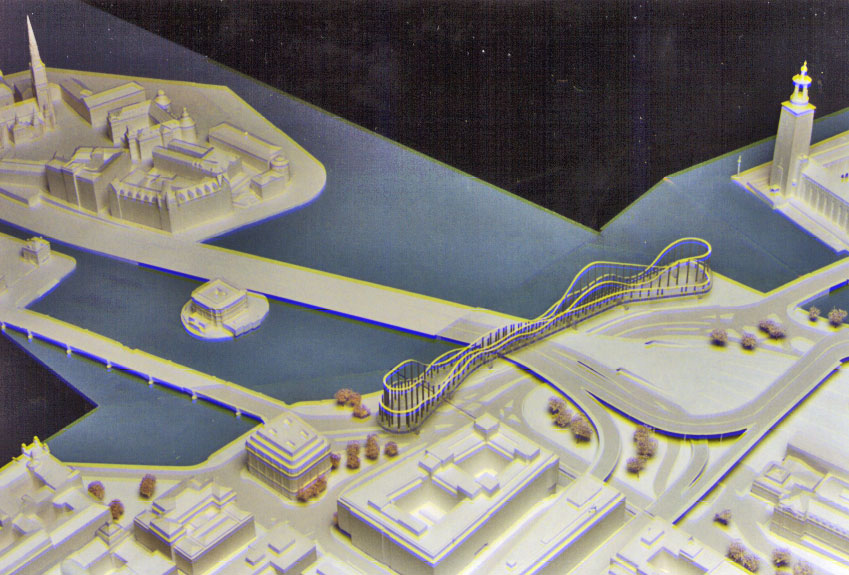
Den överträffar allt i nöjesfältsväg med sin hypereffektiviserade upplevelseteknologi: berg-och-dalbananan har kapselliknande täckta vagnar i vilka ljud- och stroboskopljuseffekter förstärker upplevelsen av berg och dalar. Kapseln är ljudisolerad och saknar fönster. Inne i kapseln varken ser eller hör man något av den omgivande staden. Ingen i staden ser några passagerare eller hör deras skrik.
Ledare.
An Encyclopedia of the City
Lyssna till ljudboken med en inläsning av Mikael Askergrens texter för encyklopedin:
Thinking Out Loud #1 (Ljudbok på svenska och engelska)
Mer av Mikael Askergren om:
Berg-och-dalbana på Tegelbacken
Mer av Mikael Askergren om arkitekters och planerares bruk av metaforik:
Sjukdom som metafor
En pizza i Kärrtorp
Illustrationer
• Berlinmuren. d.ibtimes.co.uk
• Wilhelm Hammershøi: Asiatisk Compagnis bygninger, set fra St. Annæ Gade på Christianshavn, København (1902). Statens Museum for Kunst, Köpenhamn. Bildkälla: Wikimedia Commons
• Apropå den berömda labyrinten i Knossos: en serie förslag av Mikael Askergren (1992) till planterad häcklabyrint i brunnsparken vid Medevi brunn, Östergötland.
Blast from the Past: Labyrinths and Mazes
• När kvinnan hade svans (Quando le donne avevano la coda), romantisk filmkomedi i stenåldersmiljö, Italien (1970, Sverige 1972). Autentisk svensk filmaffisch. Exemplaret tillhör Mikael Askergren.
• Berg- och dalbana på Tegelbacken, Stockholm. Mikael Askergren och Andreas Theve (1995).
Fotnoter
Malmö, inklusive ett referat av Storstadsutredningen, Statens Offentliga Utredningar SOU 1989: 69.
Agorafobi.
Pittoresk.